Reflection is more than the return of light from a surface.
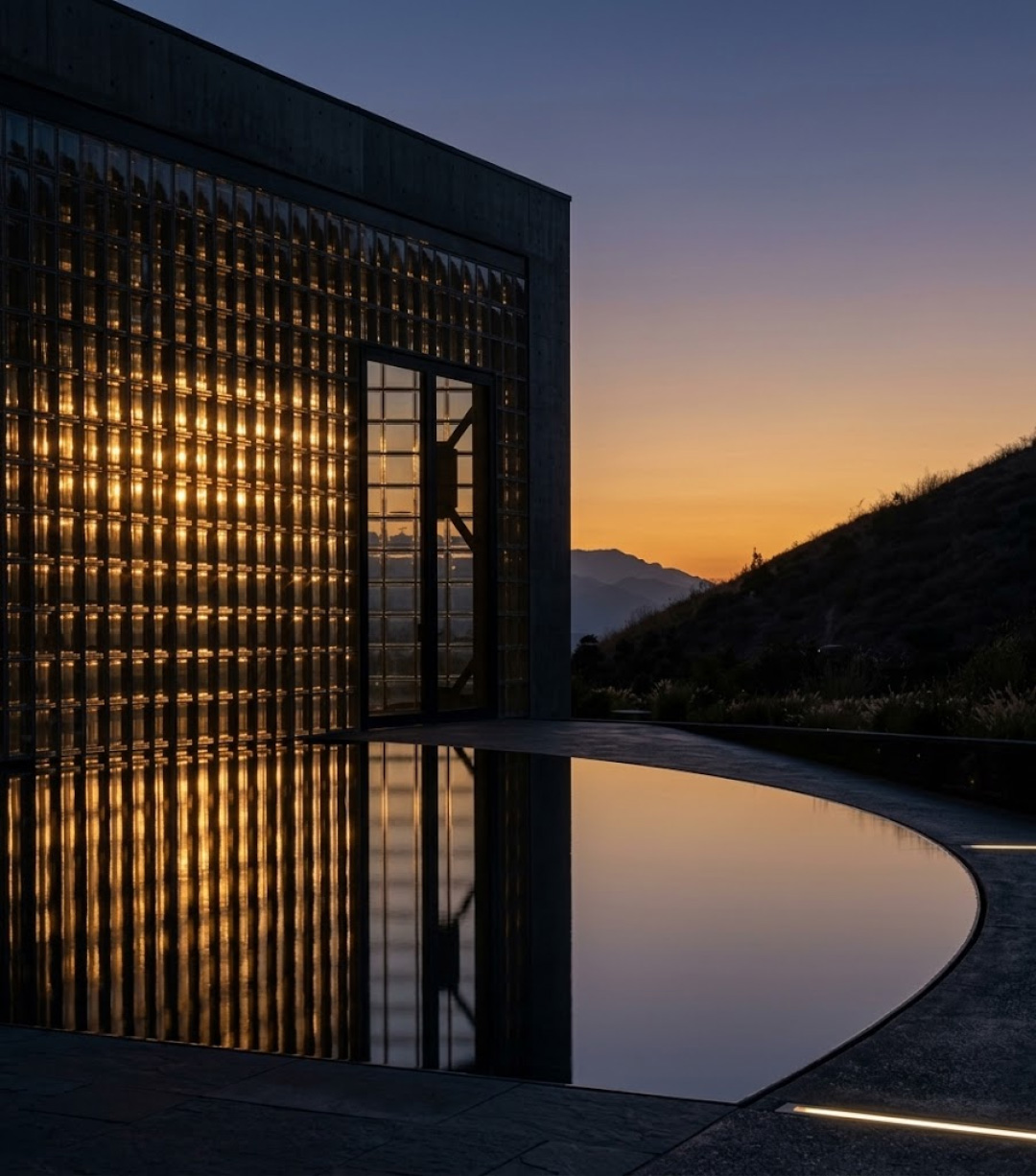
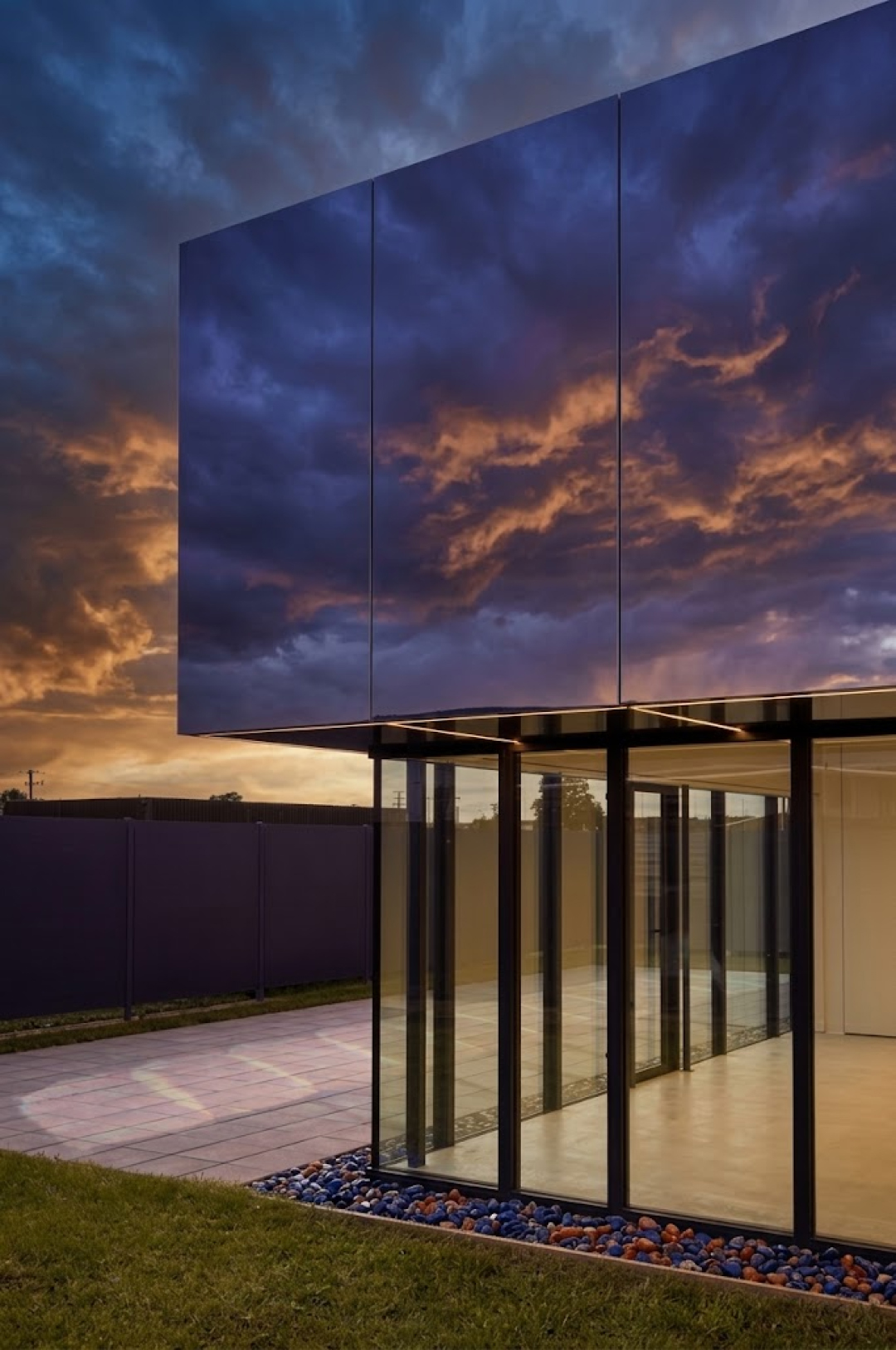
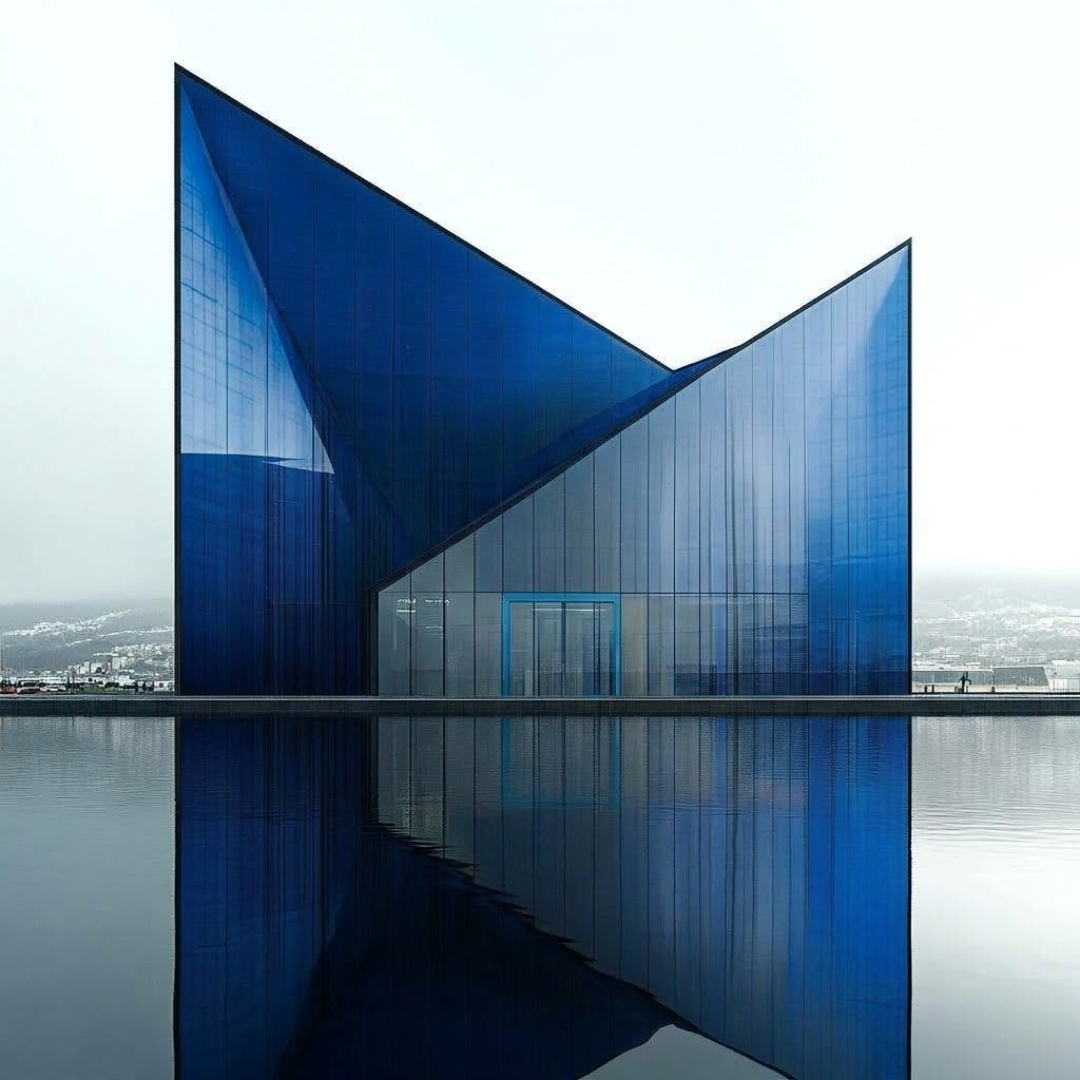
It is a layer of design through which the relationship between light and architectural surfaces reshapes spatial perception. Architecture is perceived not only through its physical boundaries, but also through the way these boundaries interact with light. Reflective surfaces such as glass, water, metal and polished stone become more than materials that carry light; they become active elements that influence visual continuity and depth within a space.
Rather than coming to an end at the surface it reaches, light can reveal the surrounding architecture in new ways. Glass allows interior and exterior spaces to overlap, water transforms light into a moving image, while metal and polished stone redirect and reshape it in different directions. In this way, a space that remains physically unchanged can be experienced in entirely different ways.
The effect of reflection is directly related to the optical properties of a material. Surface texture, gloss and transparency, considered alongside the angle, intensity and colour of incoming light, give rise to different spatial effects. In lighting design, what matters is not only where light reaches, but also how it behaves after encountering a surface.
In daylight, this relationship evolves over time. With artificial lighting, it can become a deliberate design decision. Reflections that shift with the movement of the user continuously reshape the perception of a space.
For us, reflection is where the design process begins anew, after light meets a surface. It is a tool that reveals the character of materials, strengthens spatial relationships and adds another layer to the architectural experience.
Because the impact of light within a space is shaped not only by the surfaces it illuminates, but also by the way it returns to the space from them.