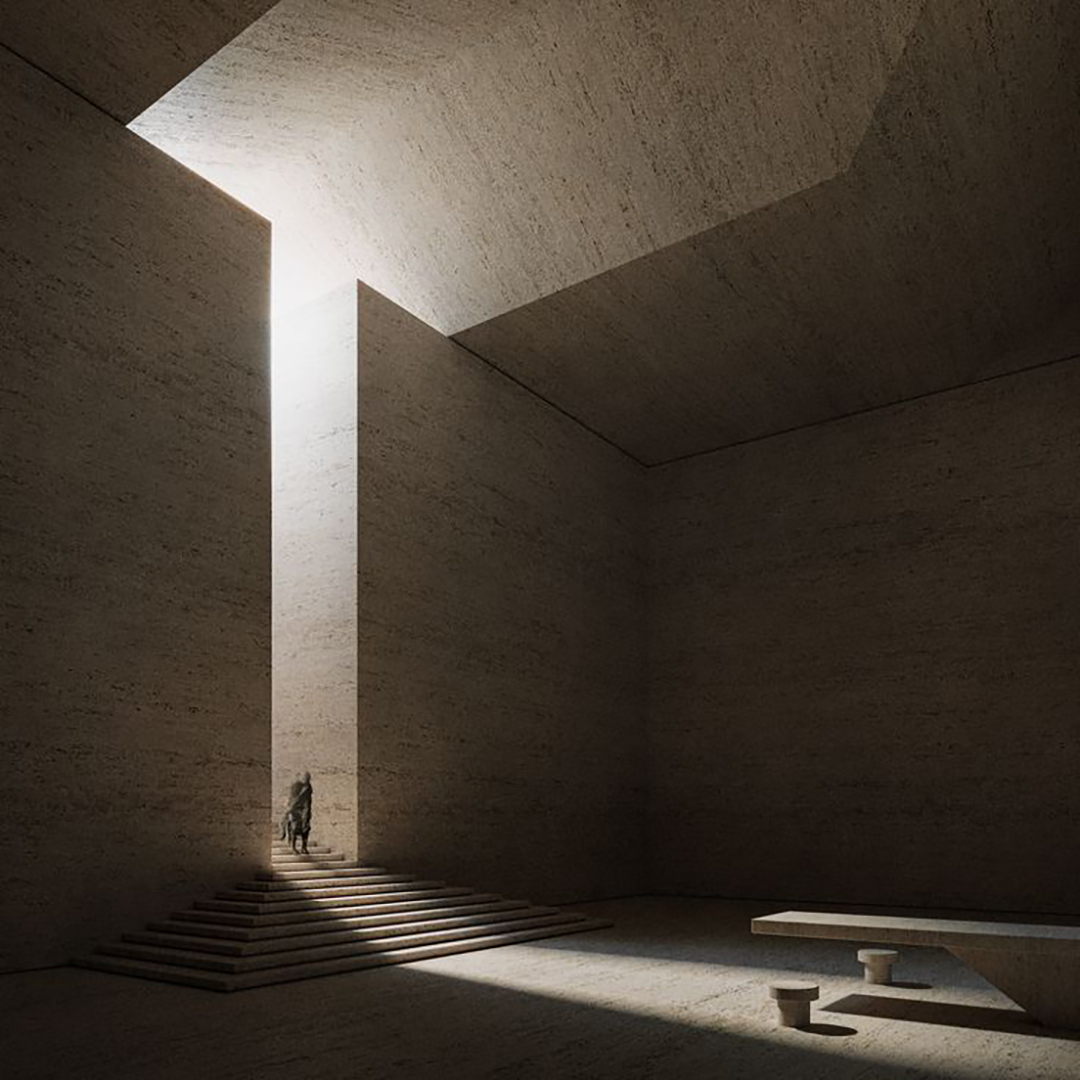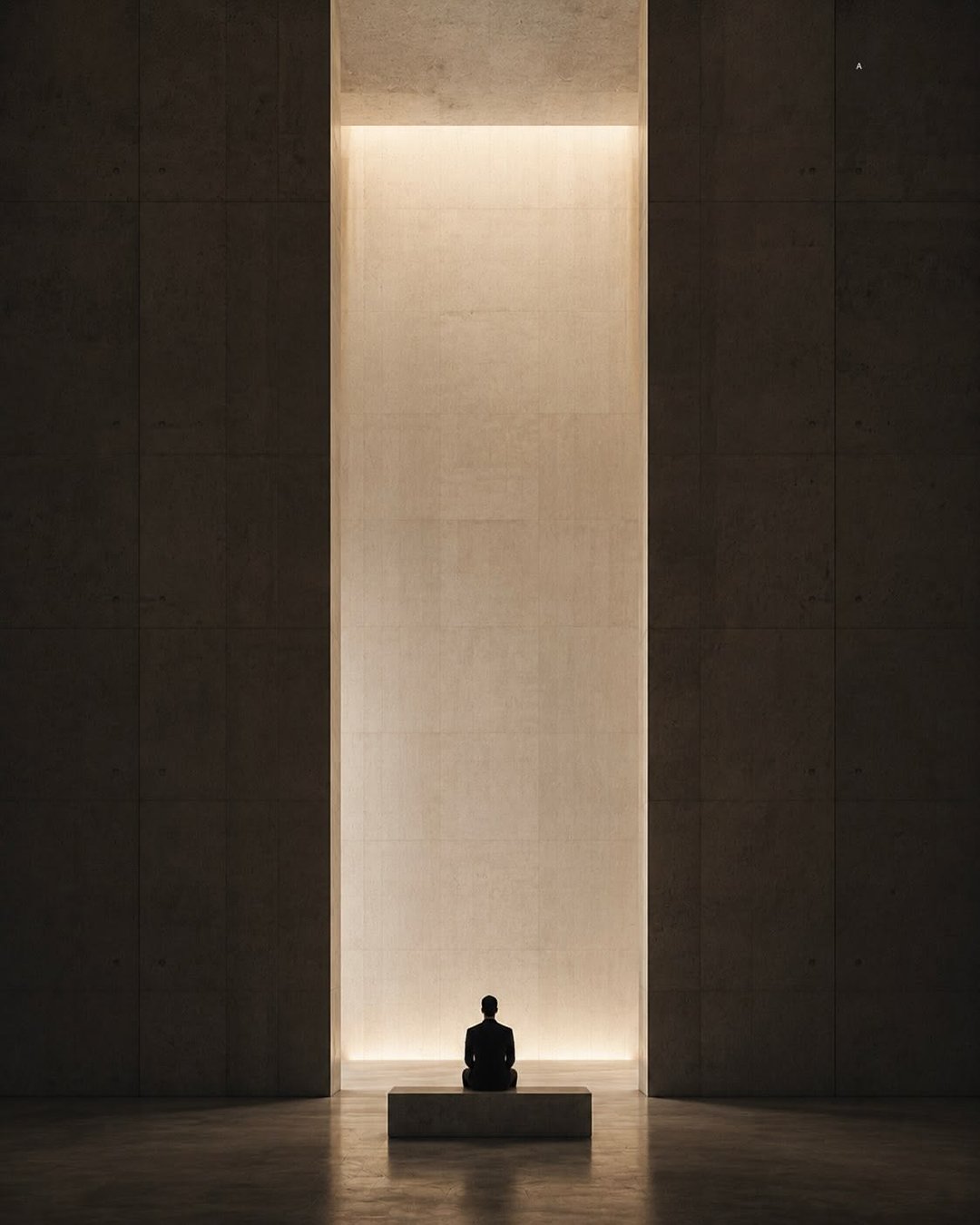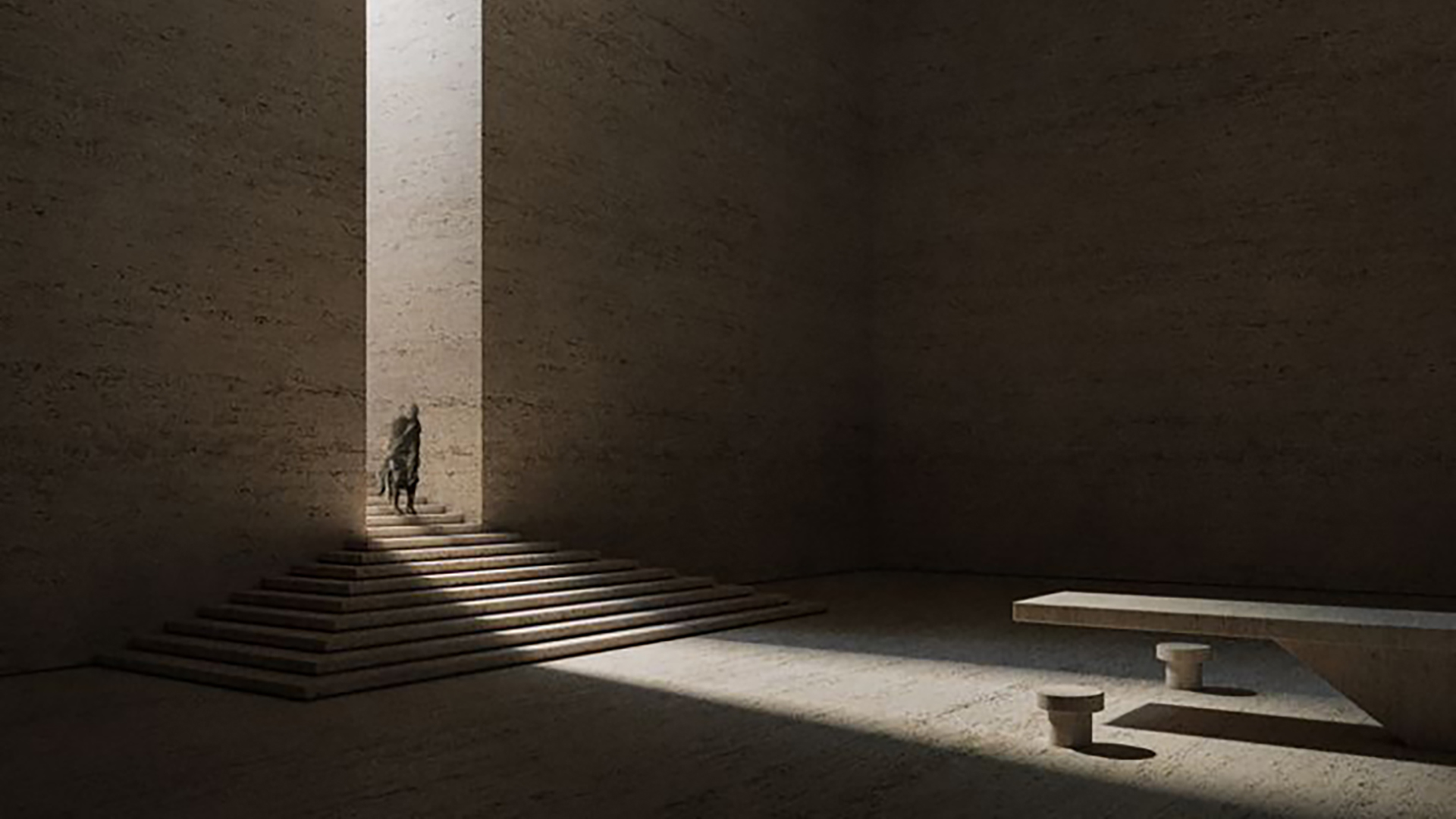
Space is not merely a physical environment we occupy; it is an experiential setting that shapes our emotions, behaviour, and perception.
While light reveals the physical qualities of architecture, it also transforms the atmosphere of a space and the way it is perceived. The same surface can take on an entirely different character under different lighting conditions. The texture of a material may become more pronounced, a surface may gain depth, or it may recede into shadow.
For this reason, lighting is not simply a means of making a space visible. It is a layer of design that determines what is revealed, what remains in the background, and how the space is perceived and understood.
The relationship a space establishes with light shapes the user experience just as much as its physical character. Light not only makes architectural elements visible but also transforms the atmosphere and emotional quality of the space. The same environment can evoke entirely different feelings under different lighting conditions. By altering the perception of material textures, colours, surface depth, and shadows, light reshapes how a space is experienced.
Therefore, spatial lighting cannot be defined solely through a particular quality of light. What truly matters is how light interacts with the other elements of the space. The way it touches a surface, defines a void, allows room for shadow, and guides the user’s experience forms the foundation of lighting design decisions.