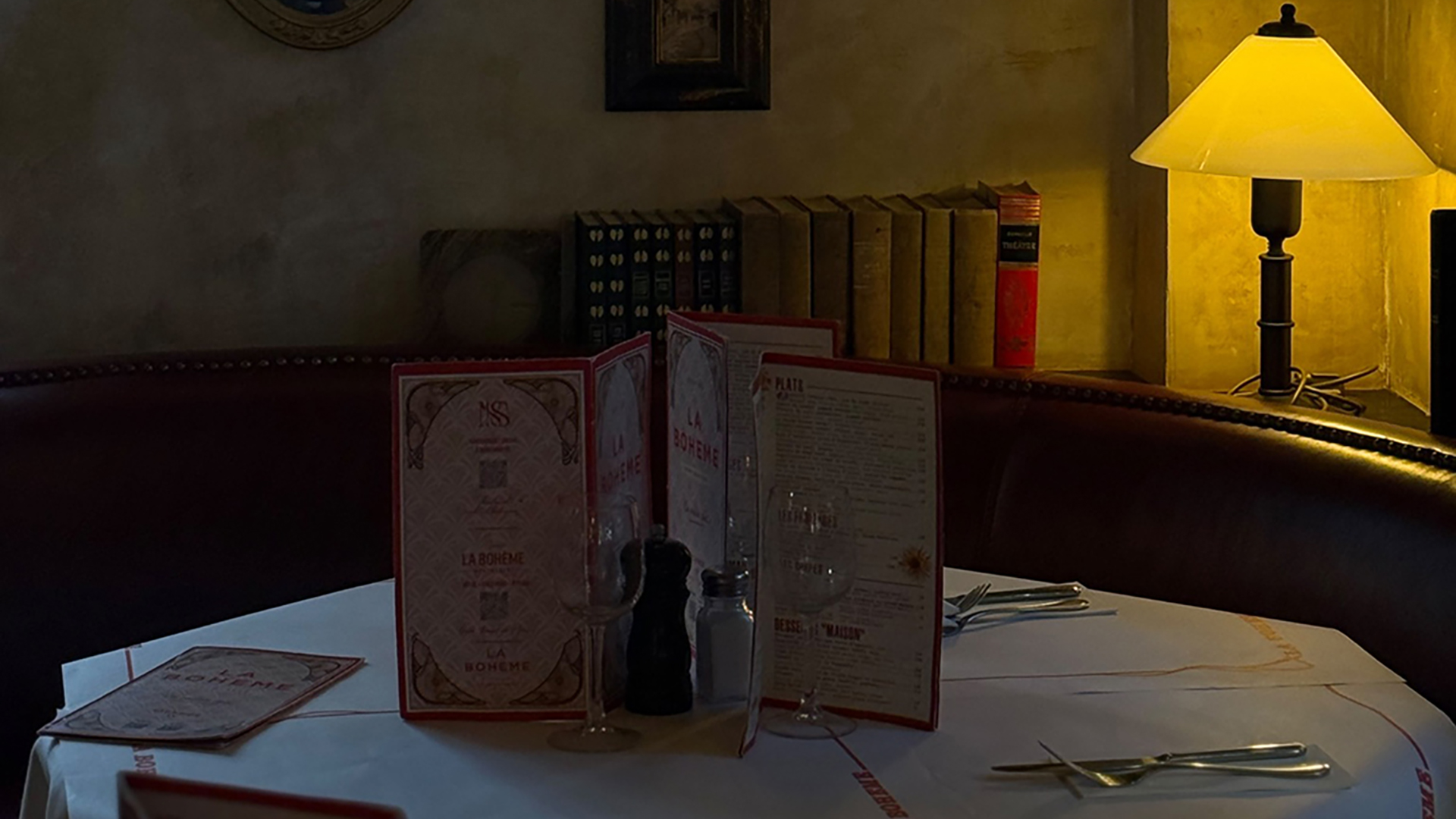
In a space with the same materials and architectural composition, illuminating all surfaces at a similar level creates a more cohesive and legible experience.
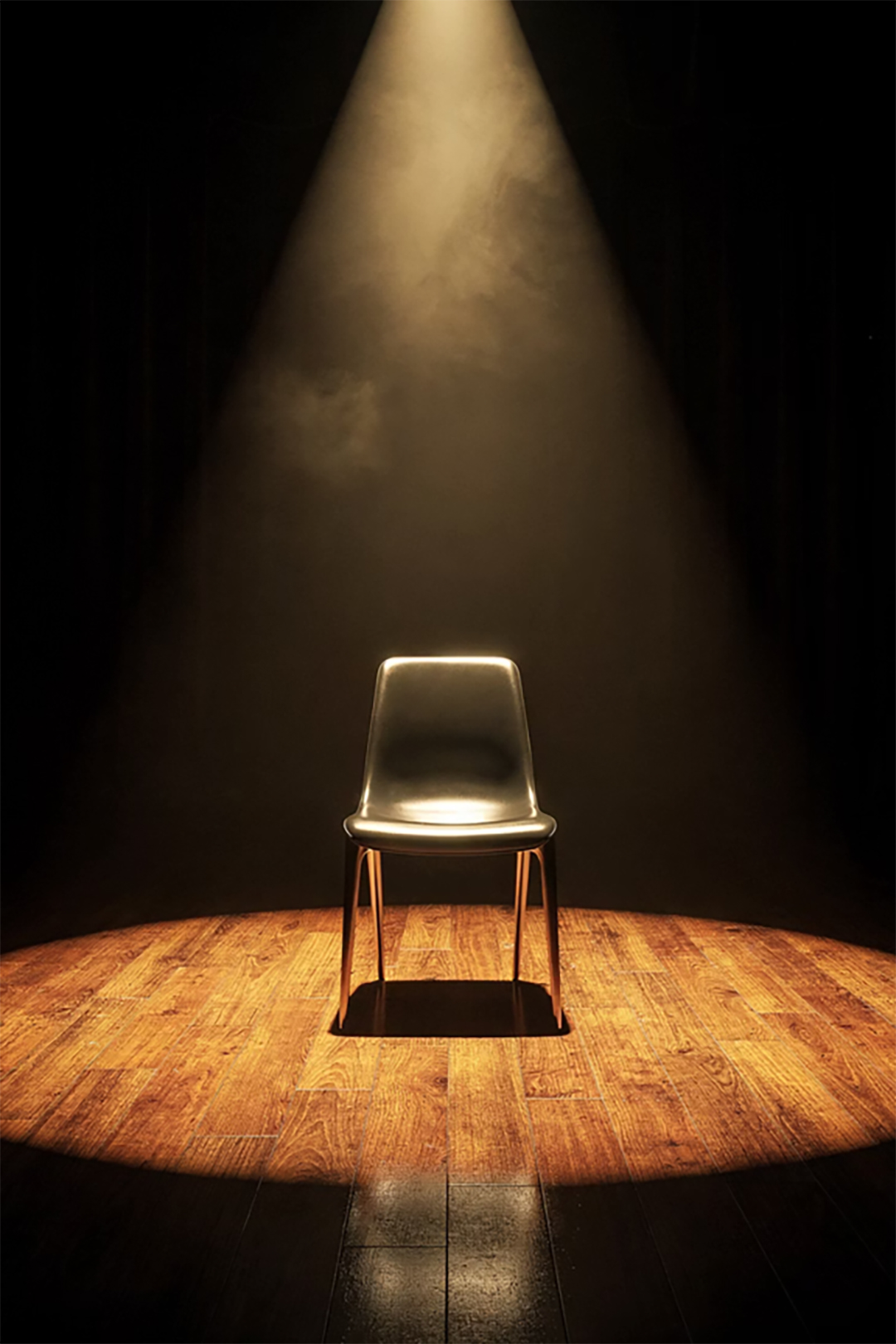
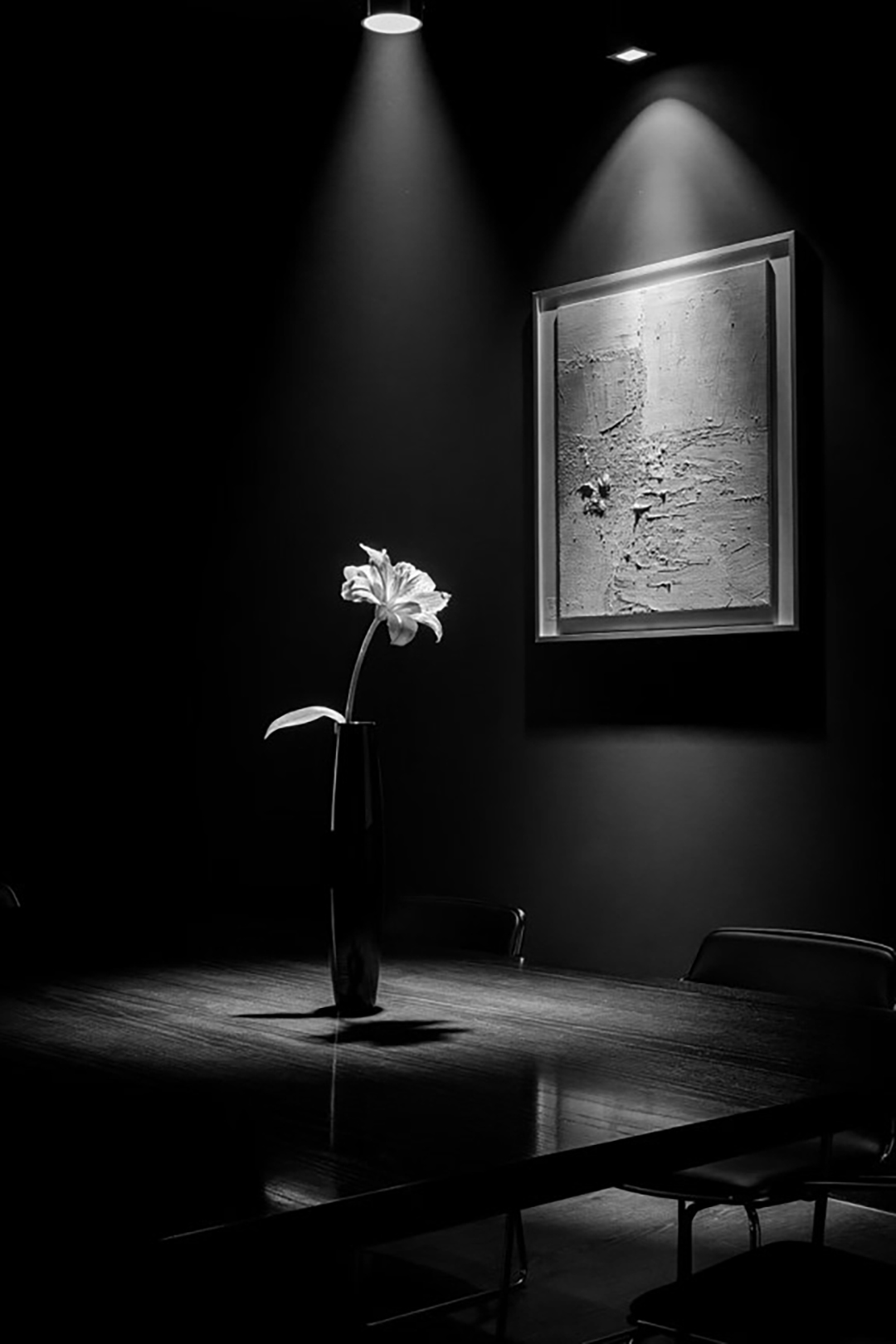
A more layered lighting scheme, in which particular surfaces, transitions or architectural details are emphasised, can guide users towards different points within the space and strengthen their sense of discovery.
This experience does not arise from light alone, but from its relationship with the rhythm, scale and materials of the space, as well as the movement of its users. Where light intensifies, where it recedes and where it leaves areas in shadow all influence how users read the space—where they pause and where they move through.
For this reason, the psychological effect of light cannot be defined solely through its intensity, colour or direction. The same light can create entirely different emotional experiences when combined with different materials and architectural contexts.
Lighting design is therefore not simply about associating a particular quality of light with a specific emotion. It is the process of shaping the intended atmosphere by carefully composing the relationships between light, material, colour, shadow and spatial organisation. The true value of the design lies in the way these elements interact and in how the resulting experience resonates with the user.
Light is therefore not an element added to architecture at a later stage, but one of the fundamental design tools that determines how a space is perceived and the impression it leaves on its users.